Articles

Quilting Daily is proud to offer an exceptional collection of quilting articles written by some of the most knowledgeable and talented quilters in the industry. Featuring expert quilters from renowned publications such as Fons & Porter, McCalls Quilting, and more, our articles are a treasure trove of valuable insights, tips, and techniques that will take your quilting skills to the next level!
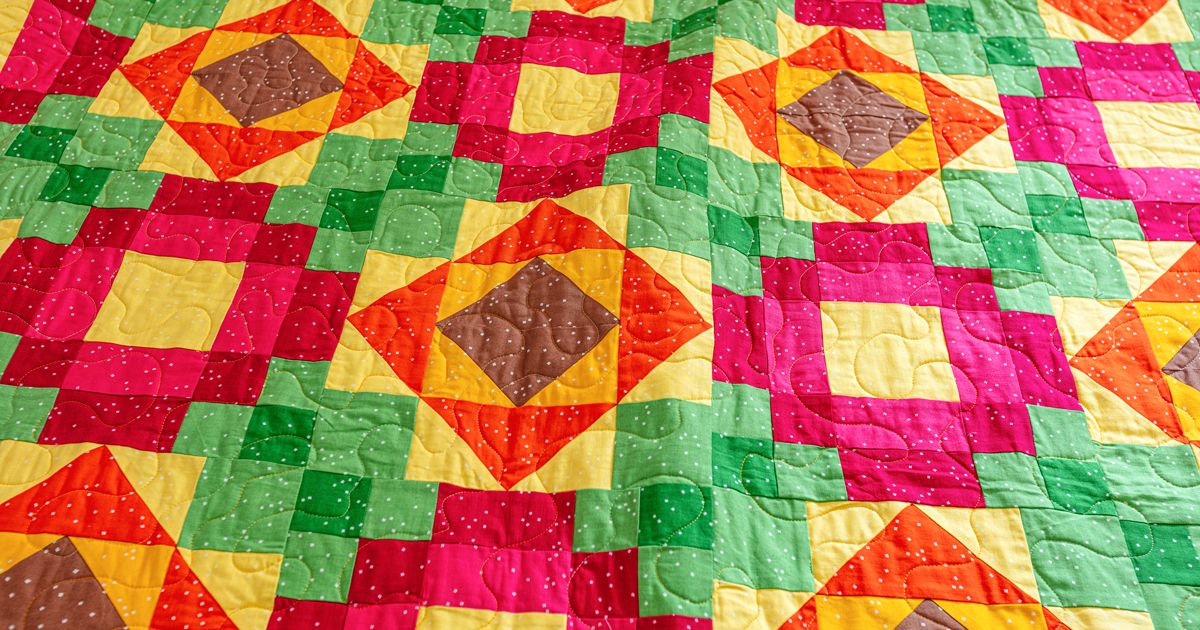
April is here, and its time to celebrate with diamonds! Why diamonds, you ask? Well, apart from being Aprils birthstone and symbolizing all things classy and timeless, diamonds make for some seriously fun quilt patterns. This classic geometric shapewith its sharp points and anglescan be incorporated into quilts in several fabulous ways.
Take the traditional Lone Star quilt. This design typically features diamond-shaped patches radiating outward from the quilt center, creating a mesmerizing effect akin to a bursting star. While maintaining their traditional charm, modern interpretations of Lone Star quilts, like Jinny Beyers Lone Star Salute, can incorporate vibrant colors,…